Physician (MD/DO)
The doctor role — diagnose, treat, and manage patient care across every specialty.
Reviewed against
- pcom.edu
- webmd.com
- honorhealth.com
- mayoclinic.org
- onemedical.com
- Bureau of Labor Statistics (BLS)
- pmc.ncbi.nlm.nih.gov
- industrymdcoach.com
Last reviewed: July 4, 2026

Fast Facts
- Typical pay
- $200K–$500K+
- Runway
- Very High
- Difficulty
- Very High
- Real sources
- 38
What This Profession Is
The shape of the work, why it exists, and how it got here.
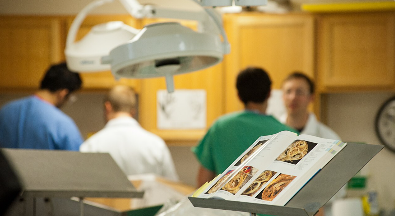
Physicians are medical professionals who diagnose and treat diseases and injuries. They manage patient care, order and interpret diagnostic tests, prescribe medications, and may perform surgery. In the United States, prospective doctors can earn either a Doctor of Medicine (MD) or a Doctor of Osteopathic Medicine (DO) degree. Both MDs and DOs complete comparable education and training, including four years of medical school followed by several years of residency. They must also pass licensing exams to practice. While MDs primarily practice allopathic (conventional) medicine, DOs also incorporate a holistic approach, considering the patient's mind, body, and emotions, and often use osteopathic manipulative treatment.
Sources consulted5
- What is the Difference Between a MD and DO Degree? | PCOM — pcom.edu
- DO vs. MD: What's the Difference - WebMD — webmd.com
- What's an MD, DO, DPM, NP, PA and MA? - HonorHealth — honorhealth.com
- Osteopathic medicine: What kind of doctor is a D.O.? - Mayo Clinic — mayoclinic.org
- MD, DO, NP, PA: What's the Difference? | One Medical — onemedical.com
Sources consulted5
- Physicians and Surgeons : Occupational Outlook Handbook — bls.gov
- What is the Difference Between a MD and DO Degree? | PCOM — pcom.edu
- Physician Employment in America: Private Practices Dominate ... — pmc.ncbi.nlm.nih.gov
- How physicians can find jobs in the pharmaceutical and ... — industrymdcoach.com
- What's an MD, DO, DPM, NP, PA and MA? - HonorHealth — honorhealth.com
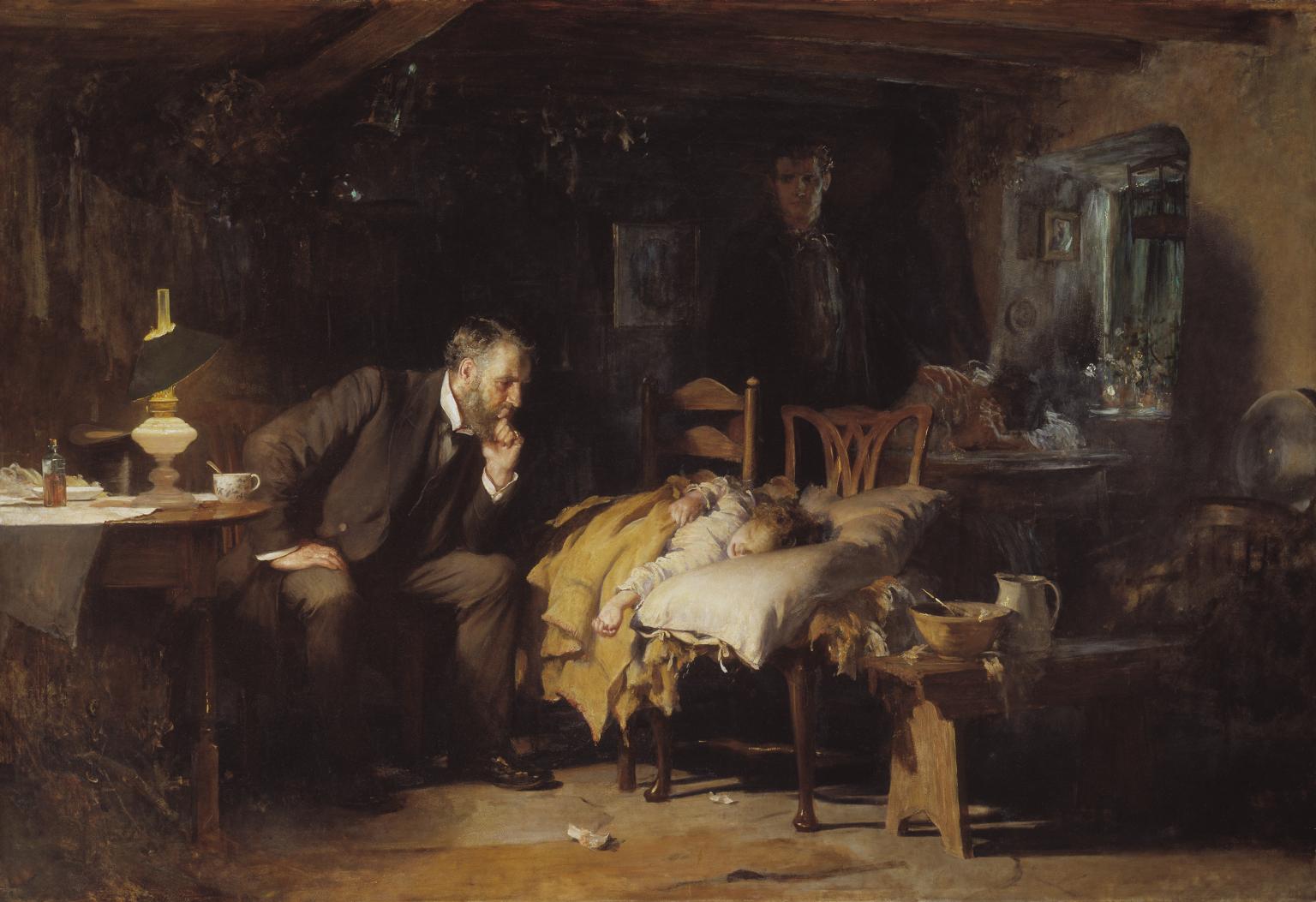
Physicians can pursue numerous specialties and subspecialties. The Association of American Medical Colleges (AAMC) recognizes over 135 medical specialties and subspecialties, each requiring a residency that can range from three to eight years. Some fields also necessitate additional years of fellowship study.
One example is Allergy and Immunology, a subspecialty of internal medicine that focuses on immune system disorders such as asthma, anaphylaxis, eczema, rhinitis, and reactions to various allergens. It also covers defects in host defense, immune deficiency diseases, and issues related to autoimmune disease, organ transplants, and immune system malfunctions. An allergist-immunologist evaluates, diagnoses, and manages these conditions.
Other common specialties include Anesthesiology, Dermatology, Diagnostic Radiology, Emergency Medicine, Family Medicine, and Internal Medicine. Anesthesiologists, for instance, have several subspecialties, such as Adult Cardiac Anesthesiology, Critical Care Medicine, Pain Medicine, and Pediatric Anesthesiology. Dermatologists concentrate on skin disorders, and emergency medicine physicians provide immediate care for acute illnesses and injuries.
Sources consulted5
- Medical Specialties and Subspecialties | AUC School of Medicine — aucmed.edu
- The Ultimate List of Medical Specialties and Subspecialties — sgu.edu
- Subspecialties | ABMS - Medical Specialties — abms.org
- Different Types of Doctors & Medical Specialists Explained - WebMD — webmd.com
- Specialties and Subspecialties - Main Certification Site — certification.osteopathic.org
The Physician (MD/DO), in action
Real moments from the work — every photo sourced from Wikimedia Commons, credit shown.

Is This You?
The skills, temperament, and pull that make this path stick — or repel you.
Beyond fundamental medical knowledge and ability, certain skills and traits distinguish excellent physicians. Empathy, the capacity to understand others' feelings, is crucial, especially as physicians often interact with people in vulnerable states. Strong communication skills and a good bedside manner are also highly valued by patients.
Physicians benefit from adaptability and a commitment to lifelong learning, enabling them to integrate new advancements like bioinformatics, genetic engineering, and artificial intelligence into their practice. Time management and strategic project pursuit are important for balancing professional and personal life. Developing a humble and open-minded approach to patient history-taking can improve communication, leading to better compliance with treatment plans.
Effective practitioners also build resilience to prevent burnout and focus on self-care. They possess a range of competencies including professional, thinking and reasoning, and scientific abilities. Physicians must be able to deliver medical care while supporting patients and communicating difficult information.
Sources consulted5
- Skills That Make A Good Doctor - Ross University School of Medicine — medical.rossu.edu
- Physician Competencies for a 21st Century Health Care System - PMC — pmc.ncbi.nlm.nih.gov
- Alumni on the Skills Doctors Need | Harvard Medicine Magazine — magazine.hms.harvard.edu
- DO vs MD: ICOM's Guide to Medical Degrees — icom.edu
- The Premed Competencies for Entering Medical Students - AAMC — students-residents.aamc.org
Becoming One
The full path in: schooling, exams, residencies, debt, timelines.
The path to becoming a physician in the U.S. is extensive, typically requiring more than a decade of education and training after high school. It begins with a four-year undergraduate degree, where students often pursue a science major but can also major in other fields as long as they complete specific pre-medical coursework. This coursework usually includes biology, chemistry, English, math, physics, and social sciences/humanities. During this undergraduate period, gaining in-field experience through volunteering, shadowing physicians, or research is recommended to strengthen medical school applications.
Following their undergraduate studies, aspiring physicians must prepare for and take the Medical College Admission Test (MCAT). Strong performance on this exam, combined with academic records and extracurricular experiences, is crucial for gaining admission to medical school. Medical school programs generally last four years, leading to either a Doctor of Medicine (MD) or Doctor of Osteopathy (DO) degree. Both MD and DO degrees are recognized by medical licensing authorities.
After graduating from medical school, physicians enter a period of residency training, which serves as an apprenticeship. The length of residency varies depending on the chosen specialty but typically ranges from to years. During residency, doctors receive supervised clinical training in their chosen field. Upon successful completion of residency and passing national examinations, physicians can apply for state licensure, allowing them to practice medicine. Some physicians may pursue further specialized training through fellowships after residency.
Sources consulted5
- I Want to Be a Doctor! What Now? | Long School of Medicine — uthscsa.edu
- Starting a Career in Medicine: How to Become a Doctor — aucmed.edu
- Medical Doctor (MD) - Florida Board of Medicine — flboardofmedicine.gov
- Becoming A Physician - MD Program - The University of Iowa — md.medicine.uiowa.edu
- How to Become a Doctor: A Step-by-Step Guide | Education — usnews.com
Sources consulted5
- Doctor Jobs | Nation's #1 Site for Physician Jobs · DocCafe — doccafe.com
- MD/DOs, where do you go when you are looking for jobs? : r/medicine — reddit.com
- Physician Jobs | 980 open positions in Virginia - PracticeMatch — practicematch.com
- Outside the Fold: Exploring Nonclinical Work Opportunities for ... — resources.nejmcareercenter.org
- Med School Interview Questions You MUST Prepare For : r/premed — reddit.com
The Work
A day, a week, the load — the load-bearing joys and the load-bearing costs.
A physician's daily tasks can vary significantly based on their specialty and work setting. Many physicians begin their day by preparing for patient appointments, which may involve reviewing charts, patient histories, and recent lab or imaging results. Some physicians also engage in administrative meetings or team huddles to discuss patient care.
For many physicians, direct patient interaction is a core component of the day. A primary care physician, for instance, might see between 15 to 19 patients, addressing a wide range of needs from physical exams and preventive screenings to managing chronic conditions and providing counseling. Each patient encounter typically starts with reviewing notes and understanding the patient's immediate concerns to guide the visit.
Physicians in hospital settings or those specializing in areas like infectious diseases may have duties that involve inpatient rounds, adjusting care plans, and consulting with other medical staff. Some roles may also require attending patient treatment team meetings where multidisciplinary teams discuss patient care. The rhythm of the day can involve a mix of scheduled appointments, urgent care needs, and administrative responsibilities, ensuring that no two days are exactly alike.
Sources consulted5
- Development of a primary care physician task list to evaluate clinic ... — pmc.ncbi.nlm.nih.gov
- A Day in the Life of a Primary Care Physician | CommonSpirit Health — commonspirit.org
- A Day in the Life of our Physicians – Primary Care Providers — youtube.com
- A day in the life of an infectious disease locum physician - Locumstory — locumstory.com
- A Day in the Life of a PA - Osmosis Blog — osmosis.org
Sources consulted5
- Ten Traits of Great Physicians! And Tips to Help You Improve — pubmed.ncbi.nlm.nih.gov
- Healthgrades | Find a Doctor - Doctor Reviews - Online Doctor ... — healthgrades.com
- Castle Connolly: Search Top Doctors. Find Trusted Care — castleconnolly.com
- Top Baltimore Doctors - Mercy Physicians — mdmercy.com
- Find the Best Doctors in NYC | Mount Sinai - New York — mountsinai.org
Physicians (MDs and DOs) utilize a range of tools and technologies for diagnosing and treating conditions. Both MDs and DOs use conventional medical tools such as X-rays and prescription drugs. Beyond these general tools, medical professionals often look at a variety of instruments and specialized items depending on their area of focus.
Doctors may specialize in various fields, such as surgery, specific body parts or organs, psychiatry, geriatric medicine, or pediatrics. Given the range of medical specialties, the tools used can differ significantly. For example, a neurologist and a neurosurgeon, while working with similar areas of the body, will use distinct instruments.
Modern medical practices also rely on healthcare office management software. These platforms integrate electronic health records (EHR), practice management functionalities, and patient engagement tools. Such software can support configurable workflows tailored to specific specialties, intelligent scheduling, and AI-enabled clinical assistance for charting.
Sources consulted5
- DO vs. MD: What's the Difference - WebMD — webmd.com
- 24 Tools No Doctor Should Be Without - HCPLive — hcplive.com
- What types of tools do doctors typically use? Explore here. - AcuityMD — acuitymd.com
- What Is a Doctor of Osteopathic Medicine (DO)? - Cleveland Clinic — my.clevelandclinic.org
- Healthcare Practice Management Software | 3 Months Free — advancedmd.com
The Money
Compensation, benefits, debt, contracts — how the economics actually work.

In 2024, the median annual wage for physicians and surgeons in the U.S. was at least $239,200. This is significantly higher than the general median wage of $49,500. The average salary for all U.S. physicians, encompassing both Primary Care Physicians and Specialists, was $374,000 in 2024, representing a 2.9% increase from 2023.
Orthopedics & Orthopedic Surgery was the highest-paying medical specialty in 2024, with an average annual salary of $564,000. Overall, doctor salaries can vary by location and specialty, but physicians are consistently among the highest earners within the healthcare sector and across all occupations.
When comparing salaries between Doctors of Osteopathic Medicine (DOs) and Doctors of Medicine (MDs), there is no meaningful difference in pay when controlling for specialty and work setting. Any observed aggregate pay gap is attributed to the distribution of specialties rather than the type of medical degree. Employers base compensation on factors such as specialty, productivity, and market demand.
Sources consulted5
- Average Doctor Salaries by Specialty - Kaplan Test Prep — kaptest.com
- D.O. vs. M.D.: Differences Between Osteopathic and Allopathic Doctors — indeed.com
- DO vs MD Salary: Is There a Difference? | SalaryDr Blog — salarydr.com
- How much money do doctors make in the US? - USAFacts — usafacts.org
- Average Doctor Salaries by Specialty - Kaplan Test Prep — kaptest.com
Where It Leads
Specialties, pivots, leadership, research, and second acts.

Physicians typically advance their careers through residency and fellowship programs, which lead to specialization in a particular medical field. Both Doctor of Medicine (MD) and Doctor of Osteopathic Medicine (DO) graduates complete these rigorous training periods. These programs build upon the foundational medical education and are required for full licensure and the ability to practice in specific specialties such as surgery, pediatrics, or internal medicine.
Over time, physicians can transition from direct patient care to roles that leverage their medical expertise in other ways. Some may pursue careers in medical education, teaching future generations of doctors. Others might enter medical research, contributing to advancements in healthcare. Administrative positions within hospitals or healthcare systems are also available, where physicians can influence policy and manage operations.
For those seeking alternative paths, an MD degree provides a versatile skill set that can be applied to fields outside of traditional clinical practice. This can include work in the insurance industry, particularly in roles involving disability or medical policy. The critical thinking and learning abilities honed during medical training are valuable in diverse professional settings.
Sources consulted5
- Physicians and Surgeons : Occupational Outlook Handbook — bls.gov
- DO vs MD: ICOM's Guide to Medical Degrees — icom.edu
- What are the non-clinical career paths a medical graduate can take? — reddit.com
- MDs/DOs and PAs: How Did You Decide Your Medical Career Path? — reddit.com
- What are some good careers for people with an MD degree? ... — quora.com
The Future
AI, automation, policy, and the forces reshaping this profession.

Artificial intelligence (AI) has the potential to transform health care, particularly in areas like diagnostics, data analysis, and precision medicine. AI is already used for patient triage and cancer detection. Language models trained on medical data are emerging, with some demonstrating the ability to pass medical licensing exams and provide responses to medical questions, suggesting future applications in clinical settings for physician consultation.
Another significant shift is the growth of Doctors of Osteopathic Medicine (DOs). The number of students pursuing osteopathic degrees has risen by 66% over the last decade, and DOs currently represent approximately 28% of all medical students in the U.S. This growth has resulted in a 70% increase in the total number of DOs and osteopathic medical students in the U.S.
This expansion of osteopathic medicine is playing a role in addressing projected physician shortages. Between 2010 and 2022, the number of licensed DO physicians increased by 89%, compared to an 18% increase for MDs. More than 7,800 new osteopathic physicians entered the workforce in 2023. As of last year, DOs constituted over 11% of all physicians in the nation. This increase is supported by a growing infrastructure, with 14 new osteopathic medical school campuses opening in the last five years alone.
Sources consulted5
- How Artificial Intelligence is Disrupting Medicine and What it Means ... — learn.hms.harvard.edu
- Nearly 30% of Medical Students Now Pursuing DO Degrees — urbanhealthtoday.com
- Future for DOs? : r/medicalschool - Reddit — reddit.com
- So Your Doctor Is a DO. Does That Matter? - The New York Times — nytimes.com
- The changing face of physicians: The growth of osteopathic medicine — medicaleconomics.com
DNA & Roadmap
The traits that win here, and how to build them on purpose.

Physicians often demonstrate specific personality traits that contribute to their effectiveness and resilience. These include conscientiousness, characterized by meticulousness and a strong sense of duty, which is crucial for patient safety and thoroughness in medical practice (9/10). Adaptability is also important, as physicians must effectively manage unforeseen challenges and changing patient needs (8/10). Empathy, the ability to understand and share the feelings of patients, is a core trait that fosters connection and trust (9/10).
In addition, intellectual curiosity drives physicians to continuously learn and apply new knowledge in a rapidly evolving medical field (8/10). Emotional intelligence supports effective communication and patient interaction, allowing for nuanced understanding of patient concerns (8/10). Resilience helps physicians cope with the demanding nature of the profession, including stress and difficult outcomes (9/10). Finally, resourcefulness enables physicians to find creative solutions and make critical decisions even with limited information or resources (8/10).
Sources consulted5
- Does doctors' personality differ from those of patients ... - PMC — pmc.ncbi.nlm.nih.gov
- How physicians identify with predetermined personalities and ... — pmc.ncbi.nlm.nih.gov
- CORE CHARACTER TRAITS FOR FAMILY MEDICINE - PMC — pmc.ncbi.nlm.nih.gov
- Review Ten Traits of Great Physicians — sciencedirect.com
- Physician personality traits and burnout — physiciansanonymous.org
Sources consulted5
- CME Requirements for Physician License Renewal in Illinois — cme.uchicago.edu
- Continuing Education for Physicians — dial.iowa.gov
- Skills That Make A Good Doctor — medical.rossu.edu
- CME Requirements By State – BoardVitals Blog — boardvitals.com
- Medical License Requirements for Illinois Physicians - ISMS — isms.org
Transitioning to a physician career, especially from another healthcare role like nursing, is a significant undertaking that requires a concrete plan. Over 12 to 36 months, the initial focus is on fulfilling the prerequisite education for medical school. Many medical schools require a bachelor's degree with specific coursework in biology, chemistry, physics, and sometimes mathematics. If these prerequisites are not yet met, enrolling in a post-baccalaureate program or taking individual science courses at an accredited institution would be the first step.
Concurrently, preparing for and taking the Medical College Admission Test (MCAT) is crucial, as strong scores are often essential for admission to medical degree programs. This period also involves gaining additional clinical experience, if necessary, and engaging in volunteer work or research to strengthen the medical school application. For those already in healthcare, like registered nurses, their existing experience is valuable but may need to be supplemented with other activities to demonstrate a broad understanding of the medical field.
The application cycle for medical school typically begins well in advance of matriculation. Within the 12-36 month timeframe, a prospective applicant would be submitting applications, undergoing interviews, and awaiting admission decisions. This phase requires meticulous organization, strong recommendation letters, and a compelling personal statement outlining the motivation to become a physician. Securing an acceptance marks the successful completion of this initial planning stage and the beginning of the intensive medical education journey.
Sources consulted5
- RN to MD: Can a Nurse Become a Doctor? | Complete Guide — mua.edu
- From Nurse to Doctor: A Guide to Making the Transition — aucmed.edu
- PA to MD: How To Transition in Your Healthcare Career | Indeed.com — indeed.com
- 11 Careers That Can Transition Into Becoming a Doctor — medschoolinsiders.com
- Pursuing a Pivot in Mid- and Late-Career Physician Practice — resources.nejmcareercenter.org
Bibliography
Full list of sources consulted across this profile. Grounded — not generated from memory.
- https://www.abms.org/member-boards/specialty-subspecialty-certificates/
- https://www.acuitymd.com/resources/blog/what-types-of-tools-do-doctors-typically-use
- https://www.advancedmd.com/
- https://www.aucmed.edu/blog/a-complete-list-of-medical-specialties-and-subspecialties
- https://www.aucmed.edu/blog/how-to-become-a-doctor
- https://www.aucmed.edu/blog/from-nurse-to-doctor
- https://www.bls.gov/ooh/healthcare/physicians-and-surgeons.htm
- https://www.boardvitals.com/blog/cme-requirements-by-state/
- https://www.castleconnolly.com/
- https://certification.osteopathic.org/specialties-and-subspecialties/
- https://cme.uchicago.edu/IllinoisCMERequirements
- https://www.commonspirit.org/blog/a-day-in-the-life-of-a-primary-care-physician
- https://dial.iowa.gov/licenses/health-professions/physicians/continuing-education-physicians
- https://www.doccafe.com/
- https://flboardofmedicine.gov/medical-doctor/
- https://www.hcplive.com/view/24tools
- https://www.healthgrades.com/
- https://www.honorhealth.com/healthy-living/whats-md-do-np-pa-and-ma
- https://www.icom.edu/do-vs-md/
- https://www.indeed.com/career-advice/pay-salary/do-vs-md-wages
- https://www.indeed.com/career-advice/career-development/pa-to-md
- https://industrymdcoach.com/how-physicians-can-find-jobs-in-the-pharmaceutical-and-biotechnology-industries/
- https://www.isms.org/cme/medical-license/license-requirements
- https://www.kaptest.com/study/mcat/doctor-salaries-by-specialty/?srsltid=AfmBOoqT_yawLNFtxuZ2wM4JSGZUyugwfMFkovkeNyUSeBjf8eyXFC_A
- https://www.kaptest.com/study/mcat/doctor-salaries-by-specialty/?srsltid=AfmBOopan-zW9wAFlEFE6ZMpXtCkkTYrBQz4q939YqJAZIjPNK3nYsC8
- https://learn.hms.harvard.edu/insights/all-insights/how-artificial-intelligence-disrupting-medicine-and-what-it-means-physicians
- https://locumstory.com/spotlight/day-in-the-life-infectious-disease-physician
- https://magazine.hms.harvard.edu/articles/alumni-skills-doctors-need
- https://www.mayoclinic.org/healthy-lifestyle/consumer-health/expert-answers/osteopathic-medicine/faq-20058168
- https://md.medicine.uiowa.edu/admissions/becoming-physician
- https://mdmercy.com/find-a-doctor
- https://medical.rossu.edu/about/blog/skills-that-make-a-good-physician
- https://www.medicaleconomics.com/view/the-changing-face-of-physicians-the-growth-of-osteopathic-medicine
- https://medschoolinsiders.com/pre-med/careers-that-can-transition-into-becoming-a-doctor/
- https://www.mountsinai.org/find-a-doctor
- https://www.mua.edu/blog/rn-to-md-how-to-transition-from-nurse-to-doctor
- https://my.clevelandclinic.org/health/articles/24893-doctor-of-osteopathic-medicine
- https://www.nytimes.com/2025/07/13/well/osteopath-doctor-health.html
- https://www.onemedical.com/blog/healthy-living/medical-degrees-explained/
- https://www.osmosis.org/blog/a-day-in-the-life-of-a-pa
- https://www.pcom.edu/do/do-vs-md.html
- https://physiciansanonymous.org/physician-personality/
- https://pmc.ncbi.nlm.nih.gov/articles/PMC12072973/
- https://pmc.ncbi.nlm.nih.gov/articles/PMC3444207/
- https://pmc.ncbi.nlm.nih.gov/articles/PMC3568931/
- https://pmc.ncbi.nlm.nih.gov/articles/PMC10186421/
- https://pmc.ncbi.nlm.nih.gov/articles/PMC4256744/
- https://pmc.ncbi.nlm.nih.gov/articles/PMC2384999/
- https://www.practicematch.com/physicians/jobs/virginia
- https://pubmed.ncbi.nlm.nih.gov/36566894/
- https://www.quora.com/What-are-some-good-careers-for-people-with-an-MD-degree-What-are-some-other-options-for-people-with-an-MD-degree-besides-becoming-a-doctor
- https://www.reddit.com/r/medicine/comments/zqrpyc/simple_question_mddos_where_do_you_go_when_you/
- https://www.reddit.com/r/premed/comments/scnzvt/med_school_interview_questions_you_must_prepare/
- https://www.reddit.com/r/medicalschool/comments/1sdf26f/what_are_the_nonclinical_career_paths_a_medical/
- https://www.reddit.com/r/physicianassistant/comments/xplchx/mdsdos_and_pas_how_did_you_decide_your_medical/
- https://www.reddit.com/r/medicalschool/comments/1ar0dlz/future_for_dos/
- https://resources.nejmcareercenter.org/article/outside-the-fold-exploring-nonclinical-work-opportunities-for-physicians/
- https://resources.nejmcareercenter.org/article/pursuing-a-pivot-in-mid-and-late-career-physician-practice/
- https://www.salarydr.com/blog/do-vs-md-salary-comparison
- https://www.sciencedirect.com/science/article/abs/pii/S0002934322008920
- https://www.sgu.edu/school-of-medicine/blog/ultimate-list-of-medical-specialties/
- https://students-residents.aamc.org/real-stories-demonstrating-premed-competencies/premed-competencies-entering-medical-students
- https://www.urbanhealthtoday.com/post/nearly-30-of-medical-students-now-pursuing-do-degrees
- https://usafacts.org/articles/how-much-money-do-doctors-make-in-the-us/
- https://www.usnews.com/education/articles/how-to-become-a-doctor-a-step-by-step-guide
- https://uthscsa.edu/medicine/education/ume/outreach/become-doctor
- https://www.webmd.com/a-to-z-guides/difference-between-md-and-do
- https://www.webmd.com/health-insurance/insurance-doctor-types
- https://www.youtube.com/watch?v=vWvuSrjscio


